Digestive issues like constipation, diarrhea, abdominal pain, and bloating can make even simple activities feel overwhelming. And, unfortunately, many people today experience these symptoms on a regular basis.
Two diagnoses that often come up in relation to chronic gastrointestinal (GI) symptoms are irritable bowel syndrome (IBS) and inflammatory bowel disease (IBD).
Because they sound similar and have overlapping symptoms, the conditions can cause some confusion. To provide clarity, let’s compare and contrast IBS vs. IBD, including their symptoms, diagnostic approaches, and treatments.
Understanding the Fundamental Difference: Syndrome vs. Disease
Clearing up the confusion surrounding IBS vs. IBD starts with understanding two medical terms: syndrome and disease.
IBS is a syndrome. A syndrome is just a collection of symptoms that we don’t understand the specific cause for. We may not even know what malfunction is causing the symptoms; it’s a mystery. So, if we can’t find a definitive cause or malfunction for a host of related GI symptoms, we label them with what I call the “garbage pail diagnosis” of irritable bowel syndrome.
IBD is a disease. A disease, by definition, is a specific malfunction that may or may not have a known cause. Since we know the malfunction that produces IBD symptoms, we have clear diagnostic criteria that allow us to identify the disease much more easily than IBS.
IBS vs. IBD Symptoms
Both IBS and IBD symptoms share quite a bit of overlap, including constipation, diarrhea, urgent bowel movements, bloating, abdominal pain, and cramping, which is another confusing factor. However, IBD is much more serious than IBS.
The two most common types of IBD are ulcerative colitis and Crohn’s disease, both of which are chronic inflammatory processes that flare up and cool down at certain times.
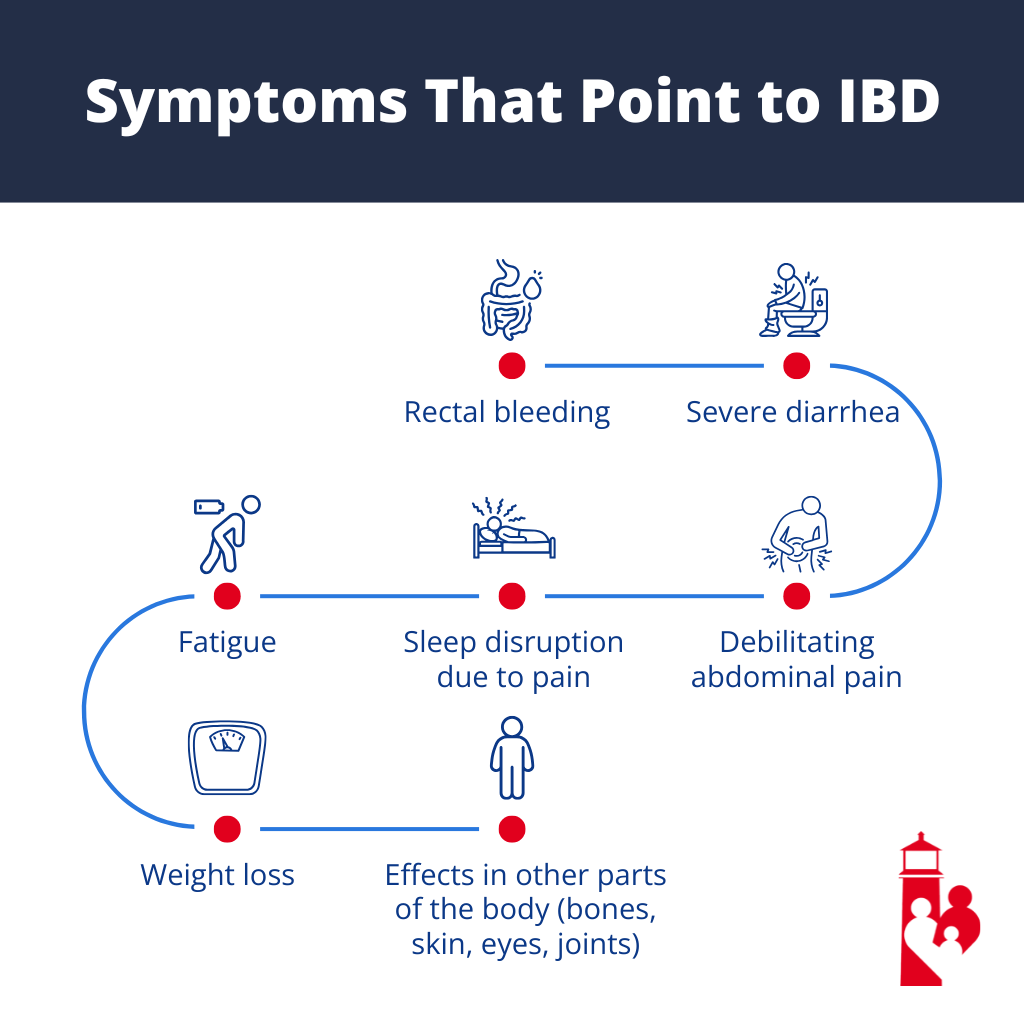
Several red flag symptoms point to IBD vs. IBS:
- Rectal bleeding
- Severe diarrhea
- Debilitating abdominal pain
- Sleep disruption due to pain
- Fatigue
- Weight loss
- Effects in other parts of the body (bones, skin, eyes, joints)
Who Gets IBS vs. IBD?
People with IBD usually develop it in their 20s and 30s. It’s more common in industrialized countries (likely due to environmental toxins, I believe), in people with family histories of IBD, in Caucasian populations, and in people of Ashkenazi Jewish heritage.
IBS is more often found in women and tends to occur alongside emotional issues. However, that doesn’t necessarily mean emotional issues cause IBS; they may simply be a secondary result of living with chronic abdominal problems.
The Root Causes (or Lack Thereof)
The absolute causes of both IBS and IBD aren’t fully known. So what do we know?
In IBD, significant immunologic issues cause bowel cells to become damaged. We don’t know why, but we at least know this mechanism of action. As a result of the damage, bacterial overgrowth can occur, certain foods worsen matters, and inflammation runs rampant.
We know far less about IBS. Current thinking often describes IBS as a disconnect between the brain and the gut, in which the chemical signals that tell gut muscles to move food along don’t function correctly.
I believe we’ll soon find that the garbage pail diagnosis of IBS actually encompasses a collection of other specific problems that functional medicine helps illuminate, whether it’s SIBO, parasites, low acid production, or some other entity.
How We Diagnose IBS vs. IBD
We can diagnose IBD using CT scans, MRIs, or colonoscopies with biopsies. These tests will show us visible changes in the GI tract, such as inflammation, ulceration, and tissue damage, which supply concrete evidence for IBD.
IBS rarely shows abnormal test results. Colonoscopies look normal, imaging studies come back normal, and biopsies show normal tissue. Consequently, we have to make an IBS diagnosis based on symptoms alone.
Treatment Approaches: Different Problems, Different Solutions
Despite overlapping symptoms, the treatments for IBS vs. IBD are vastly different.
IBD Treatment
For IBD, treatment focuses on managing the malfunctioning immune system.
Corticosteroids help suppress the immune system in the short term. They work tremendously but have significant long-term side effects.
For a longer-term solution, biologics shut off receptors that cause immune system overactivity. These drugs are very effective but extremely expensive, and they come with their own set of side effects.
As a functional medicine doctor, though I always aim to treat the root cause vs. the symptoms alone, I also recognize the need to put out a raging fire immediately. As such, I favor using these conventional medications, despite their long-term risks, while we take a functional approach to address underlying problems. Eventually, my hope is to reduce or eliminate a patient’s need for the medications.
IBS Treatment
Conventional medicine typically treats IBS symptomatically, drawing on medications for constipation, diarrhea, bloating, and cramping. Of course, this doesn’t address any potential underlying causes, meaning the patient has to take these drugs indefinitely.
In functional medicine, we look for underlying causes of symptoms using specialized gut tests. We check for problems like bacterial overgrowth (SIBO), parasitic infections, gut flora imbalances (dysbiosis), and nutritional deficiencies that may hinder digestion.
If we can identify and address a specific underlying problem, it takes us out of the realm of the mysterious “brain-gut disconnect” and into a specific condition we can actually treat.
Why Understanding IBS vs. IBD Matters
Understanding whether you have IBS or IBD fundamentally changes your treatment approach and prognosis.
If you have IBD, you need aggressive treatment to prevent disease progression and permanent intestinal damage. If you have IBS, the same treatments aren’t appropriate and could harm you. Instead, you need a thorough investigation into what’s causing your symptoms.
Getting the wrong diagnosis means getting the wrong treatment, which can mean years of unnecessary suffering.
IBS vs. IBD: Taking Control of Your Digestive Health
If you’re dealing with persistent digestive symptoms, don’t accept a vague diagnosis without thorough investigation. Whether your symptoms point toward IBS or IBD, you deserve answers.
For confirmed IBD, effective treatments exist. For IBS or unexplained symptoms, functional medicine testing can often uncover underlying causes contributing to your symptoms.
I encourage my patients with chronic digestive issues to reach out and discuss their symptoms thoroughly with me. (Remember, it’s important to share how you’re actually feeling, not which label you think fits.) Together, we can then work to identify what’s really happening and develop a treatment plan to address the root cause, not just the symptoms.